
Asthma and chronic cough
Sorting out cough lasting more than three weeks, night-time cough and chest tightness; inhaled corticosteroid treatment and control follow-up per GINA 2026.
Gentle Care for Breath & Sleep
Chest medicine and sleep care at Taipei Veterans General Hospital Hsinchu Branch — careful diagnosis, clear explanation, and long-term follow-up you can plan around.
What brought you here?
Not sure? Start from the symptom overview · Every page has a self-assessment that asks for no personal details
Start Here
You don't need a diagnosis first. Pick whichever complaint is closest to yours, and you'll see the likely causes, what warrants going to hospital today, which tests are usually done, and who to see next.
"I've been coughing for weeks and it just won't clear."
Past three weeks, it is no longer just a cold. Tuberculosis and lung cancer come first; then postnasal drip, cough-variant asthma and reflux.
Start the assessment →"Stairs leave me far more out of breath than they used to."
Breathlessness is not always the lungs — the heart, anaemia, weight and anxiety all cause it. First decide whether this is an emergency or a clinic appointment.
Start the assessment →"Eight hours in bed and I'm still exhausted."
Snoring plus daytime sleepiness may be obstructive sleep apnoea. It is linked to hypertension, arrhythmia and stroke — and it is treatable.
Start the assessment →"My health check says my lung function is poor."
What do FEV1, FVC and DLCO actually mean? Is the pattern obstructive or restrictive? Do you need a bronchodilator test?
Start the assessment →"Every morning I spend ages clearing my chest."
The colour matters far less than people think — the change is what counts. Blood in the phlegm is a different matter and needs prompt attention.
Start the assessment →"I've never smoked — do I need an LDCT?"
In Taiwan, never having smoked is not a free pass. This page works out whether you meet the government-funded criteria and whether family history counts.
Start the assessment →Every self-assessment runs entirely on your own device. Your answers are never uploaded and never stored, and no sign-up is needed. Each recommendation carries its evidence strength.
In breathing and sleep, the tests and the prescriptions are only half the job. How a patient actually feels, and how they live between appointments, is the other half. Clear explanation, careful judgement and steady follow-up — so that everyone who comes in understands what is happening in their own body.
About Doctor
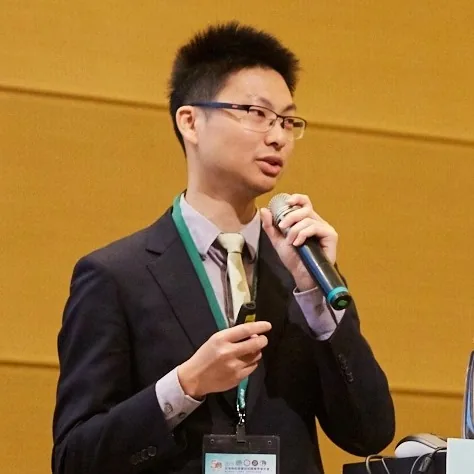
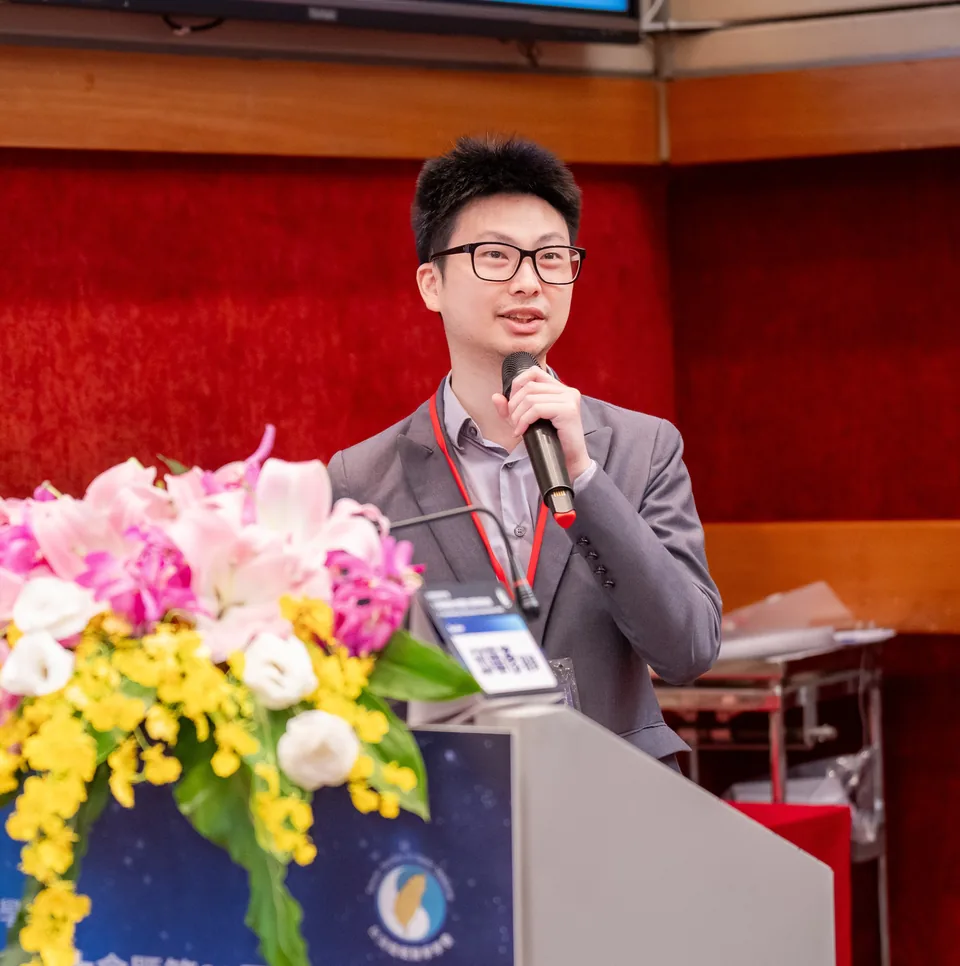
Dr. Chiu is Chief of Pulmonary Medicine at Taipei Veterans General Hospital Hsinchu Branch, and a doctoral candidate at the
Institute of Biophotonics, National Yang Ming Chiao Tung University, where he works on artificial intelligence and machine
learning in respiratory medicine.
Medicine does not only happen in a consulting room. It happens in every breath and every night's sleep in between — which is
why this site tries to pair precise data with plain explanation.
Medical Services
Each of these has a full page explaining what the condition is, how it is diagnosed, what the treatment options are, and what Taiwan's National Health Insurance does and does not cover.
Sorting out cough lasting more than three weeks, night-time cough and chest tightness; inhaled corticosteroid treatment and control follow-up per GINA 2026.
Diagnosis confirmed by spirometry, with smoking cessation and inhalers at the centre; group assignment per GOLD 2026, adjusted for NHI coverage rules.
HRCT and lung function (FVC / DLCO) monitoring, looking for associated autoimmune disease, and the NHI criteria for antifibrotic drugs.
Arranging sleep studies (in-lab PSG or home testing), CPAP titration, and risk assessment for snoring and daytime sleepiness.
Spirometry, bronchodilator testing, DLCO, lung volumes and impulse oscillometry — arranging them and reading them properly.
An exercise-centred programme that improves breathlessness, exercise tolerance and quality of life in COPD, interstitial lung disease and after surgery.
Assessed against UHMS-approved indications, with NHI-covered and self-paid uses clearly separated — and an honest account of the limits of the anti-ageing research.
Eligibility for Taiwan's government-funded LDCT programme, Lung-RADS interpretation, and planning the follow-up interval.
Health Videos
Short clips in which Dr. Chiu explains one piece of respiratory or sleep medicine at a time. Spoken in Mandarin Chinese.
Past eight weeks it is a chronic cough. Postnasal drip, asthma and reflux are the three to rule out first.
Airway clearance has a technique to it. A three-step method you can do at home.
Stop gulping air in. Drop your shoulders and breathe out slowly — the slower you exhale, the less breathless you feel.
Health Articles
Each article opens with a real clinic story, then sets out the diagnosis and treatment plainly, with diagrams and references.
Longevity & Recovery
Five non-drug, non-surgical treatments offered at this hospital: hyperbaric oxygen, intravenous laser (ILIB), external counterpulsation, repetitive transcranial magnetic stimulation and acupuncture. Each page states honestly how strong the evidence is, who it suits and who it does not, and includes a self-assessment tool.
Evidence & AI
Not "we have AI", but something you can check: what it is based on, how far it has actually got, and how certain it is.
Strong | Moderate | Limited | Insufficient
Every treatment and test recommendation carries an evidence grade, and evidence is kept strictly separate from insurance coverage. Safe does not mean effective.
See the grading system →19 peer-reviewed papers
AI and radiomics in lung cancer imaging, sleep apnoea phenotypes, small airway assessment, respiratory critical care. Every one is verifiable on PubMed.
See the publication list →In progress | Validated | In clinical use | Planned
Where AI is being used, how it was built, how accurate it is, and what stage it has reached. Work in progress is never described as validated.
Step into the lab →Health FAQ
Answers written by Dr. Chiu. This is health information for general reading — diagnosis and treatment need a consultation.
Not necessarily, but it is a signal worth taking seriously. If the snoring comes with pauses in breathing that a bed partner has noticed, repeated waking at night, daytime sleepiness, morning headache or difficulty concentrating, the likelihood of obstructive sleep apnoea (OSA) is higher and a sleep study is worth arranging. Untreated OSA over years is associated with hypertension and cardiovascular risk.
More than three weeks is called a subacute cough; more than eight weeks is a chronic cough and worth a pulmonology consultation. The common causes — upper airway cough syndrome, asthma and gastro-oesophageal reflux — look alike and need a physician to tell them apart. Come sooner if the cough is accompanied by blood, unexplained weight loss, night sweats or breathlessness.
Not always. Besides standard in-laboratory polysomnography (PSG), home sleep apnoea testing (HSAT) is an option: you wear a simplified device in your own bed and your breathing during sleep is recorded there. Which is more appropriate depends on your symptoms and your other medical conditions, and is decided with your physician.
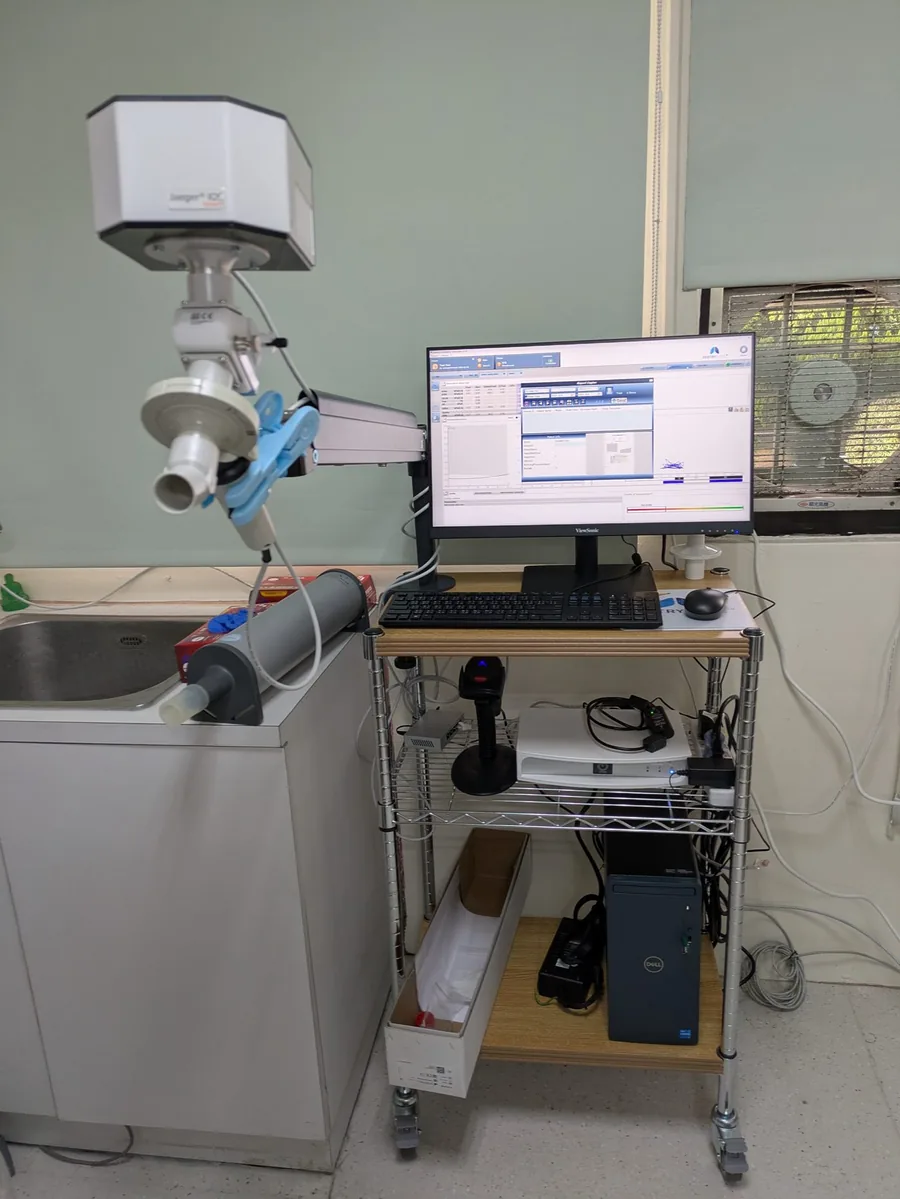
Spirometry measures how much air you can blow out and how fast, which is central to diagnosing asthma and COPD. It is non-invasive and involves no needles. Impulse oscillometry (IOS) measures airway resistance during quiet breathing alone, which makes it suitable for older patients and anyone who finds forced blowing difficult.
Clinic Gallery
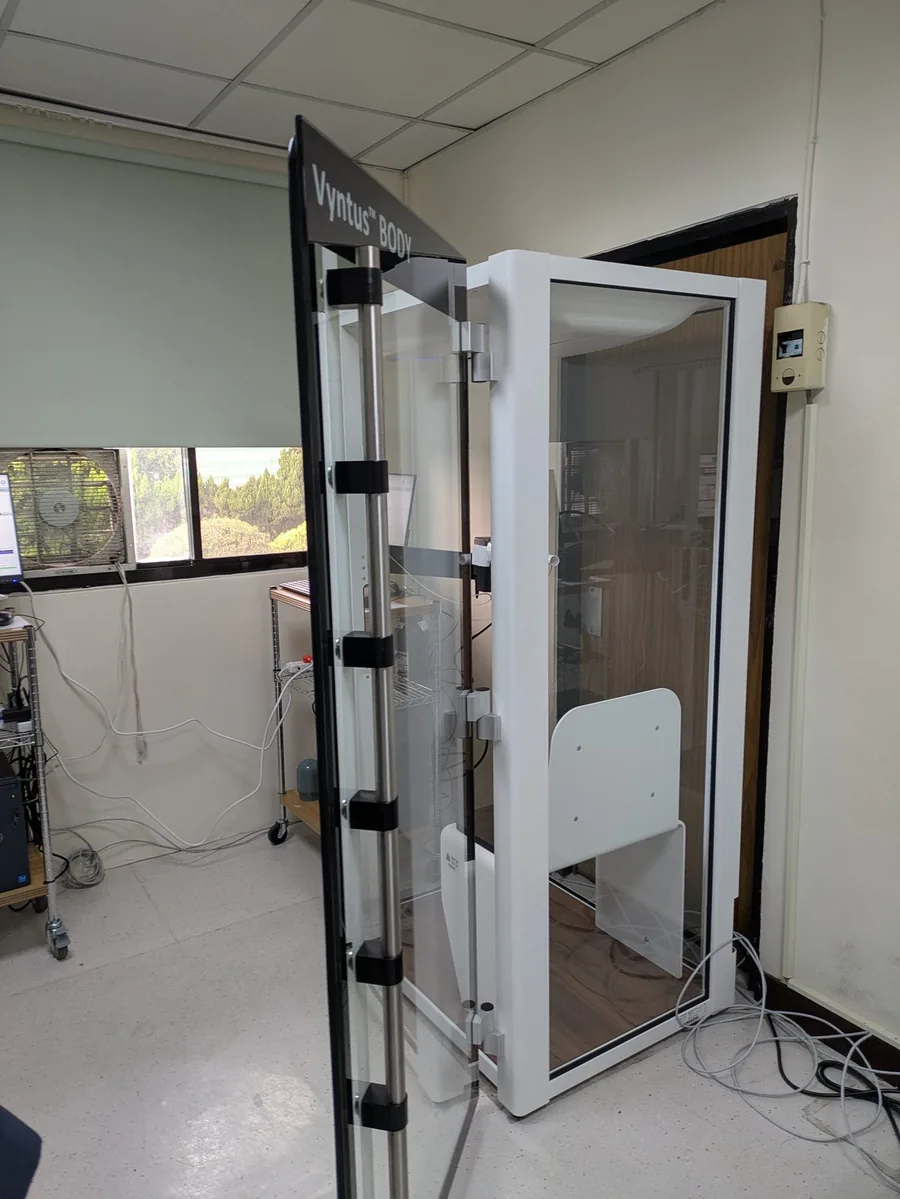
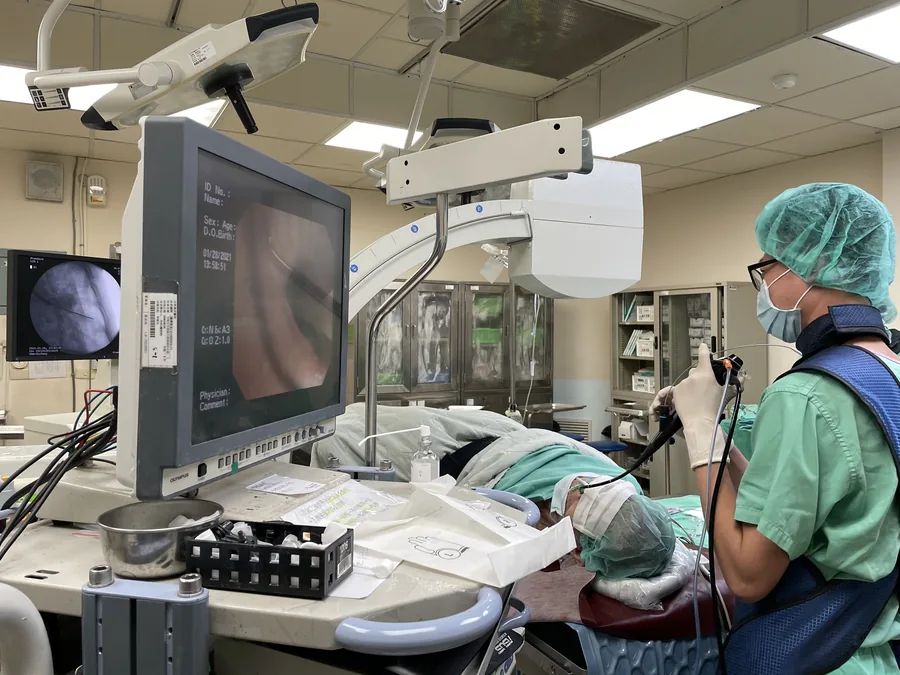
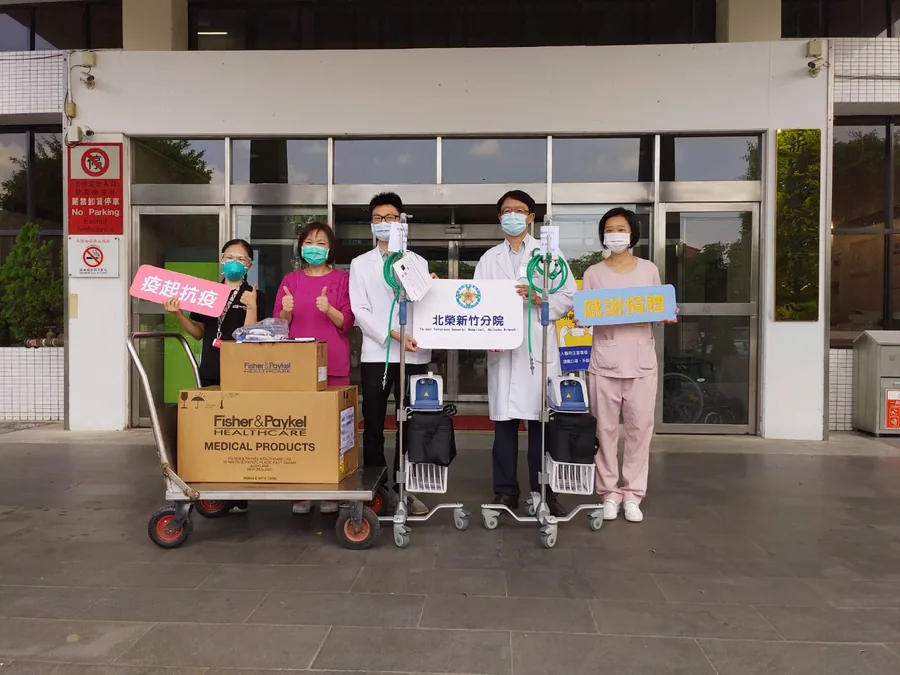
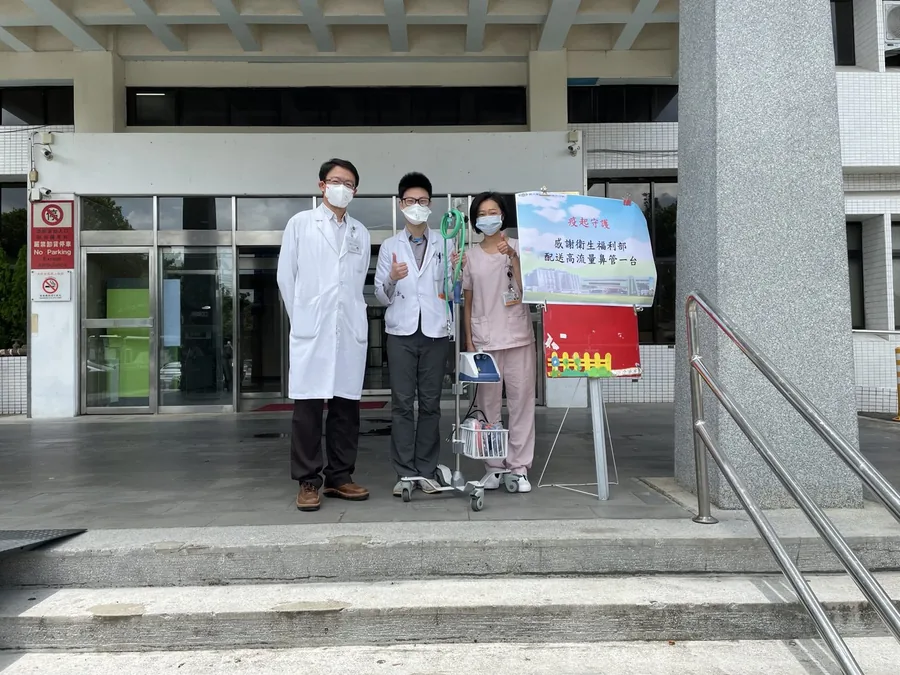
The Division of Pulmonary Medicine at Taipei Veterans General Hospital Hsinchu Branch provides full pulmonary function testing, bronchoscopy, thoracic ultrasound, home sleep testing and long-term respiratory care.


Why Choose Us
"Breathe well, sleep well" is not only a slogan. It is what a training in biophotonics research and a career in respiratory critical care look like when they meet in a clinic. These three are how the consultation actually runs.
You are seen by the Chief of Pulmonary Medicine himself, with a background in critical care, in sorting out chronic cough, and in difficult airway disease.
Research and clinical application of machine learning and predictive models in lung cancer imaging and lung function interpretation, published in peer-reviewed journals. In the clinic itself, the tools deployed are rule-based decision support, and every recommendation states its evidence grade openly.
From screening sleep quality and daytime fatigue at home, through individual explanation in the clinic, to long-term follow-up — so that care fits into ordinary life.
Contact
Outpatient appointments are booked through the hospital's own system. Consultations are conducted in Mandarin Chinese; if you would prefer to bring an interpreter or a Mandarin-speaking friend, that is entirely welcome.
Division of Pulmonary Medicine
Taipei Veterans General Hospital Hsinchu Branch
No. 81, Sec. 1, Zhongfeng Rd., Zhudong Township, Hsinchu County 31064, Taiwan
+886-3-596-2134
These pages are an English edition of the Chinese site. Where guidelines or insurance rules have changed very recently, the Chinese version is updated first.